AI Video Generation in 2026 — What's Real, What's Hype
AI video is real in 2026. But it's not replacing production yet. Here's where it fits — b-roll, backgrounds, VFX previsualization, localization — and where human editors are still irreplaceable.
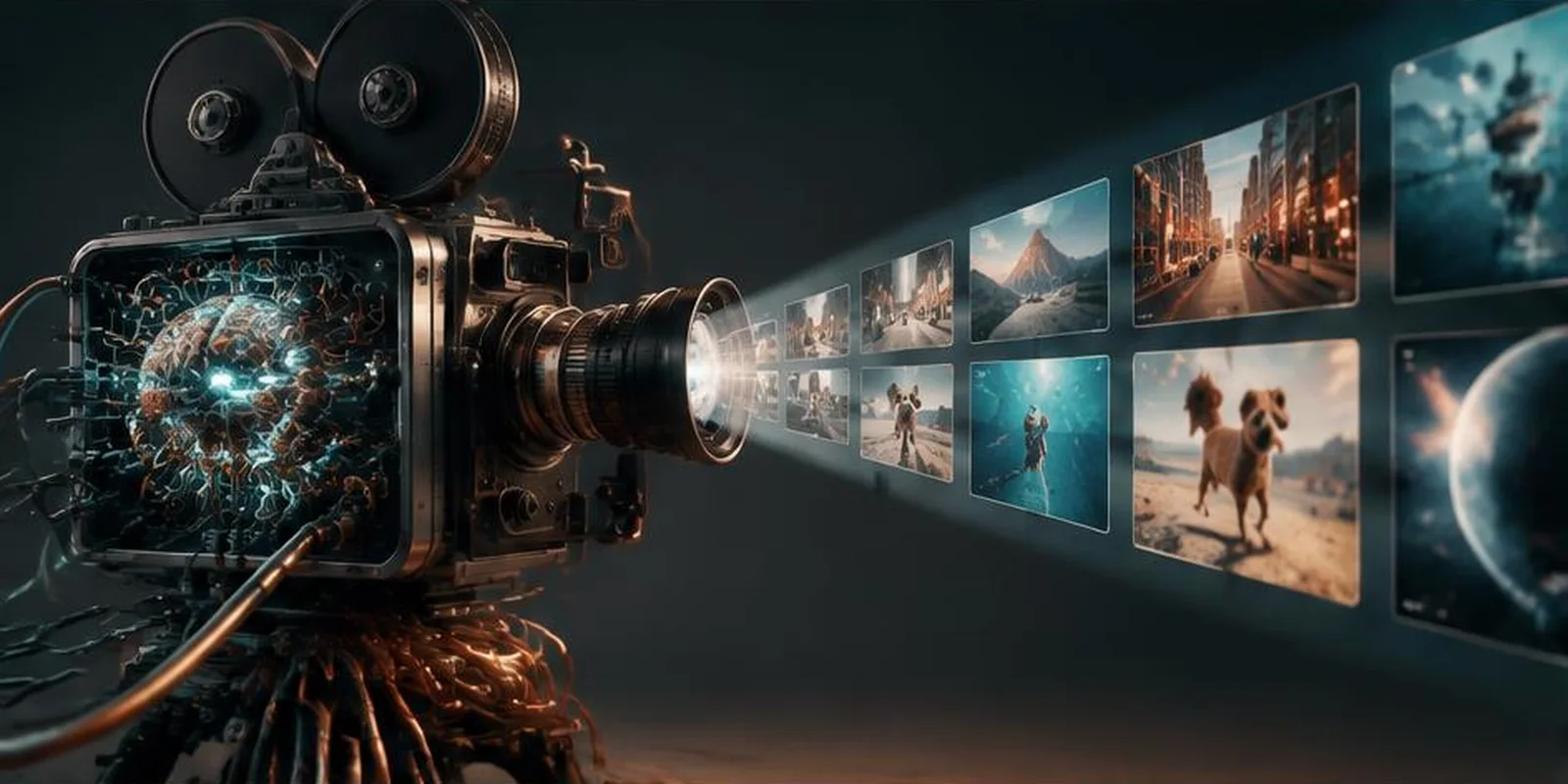
AI video generation has gone from "impressive demos" to "production-ready" in a matter of months. But the gap between "AI can generate video" and "AI can replace production workflows" is still huge.
Here's our honest assessment of what's ready and what isn't.
Where AI video is production-ready
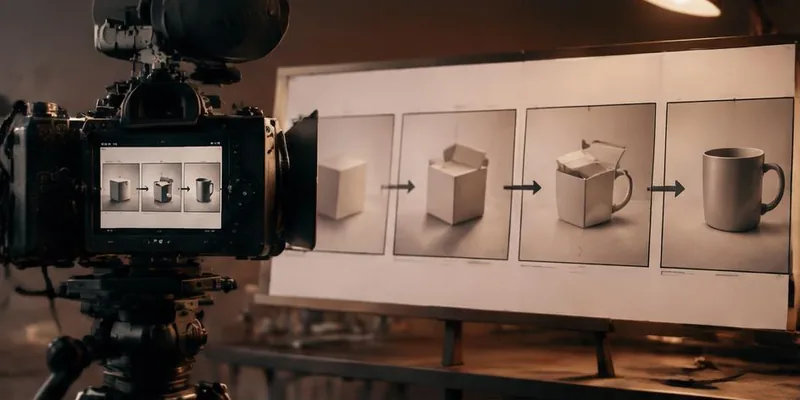
1. B-roll generation Need 30 seconds of abstract tech footage for a product ad? AI generates it in minutes. Cost: pennies vs. thousands for stock or custom shoots.
2. Background elements Animated backgrounds, gradient motion, particle effects — all generatable.
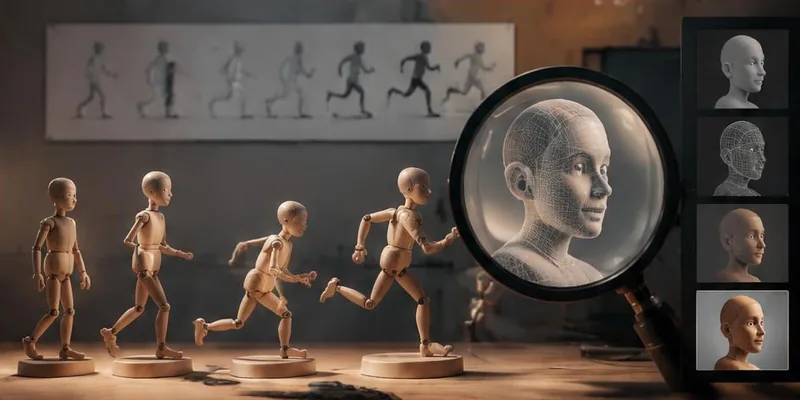
3. VFX previsualization Directors used to storyboard VFX shots with sketches. AI now generates rough previsualizations that teams can iterate on before expensive production.
4. Localization and voice generation Multi-language versions of the same voiceover, or AI voice matching a brand tone across languages. Production-ready.
5. Short-form content at scale Social content, TikTok-style videos, ad variations — AI generates dozens of variants from one script.
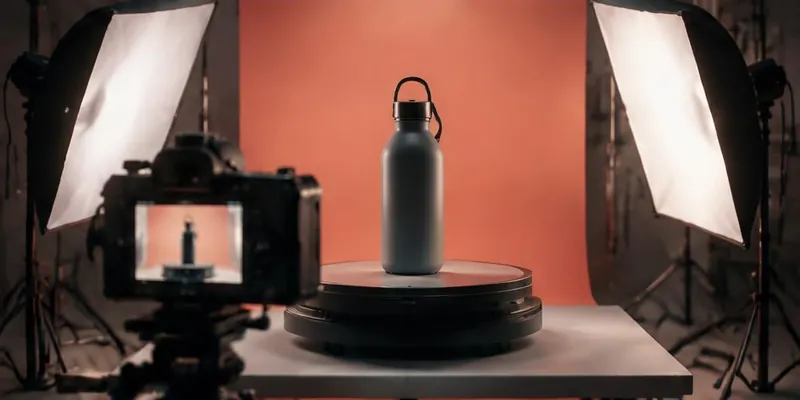
6. Product photography replacement (for objects) For non-human product shots, AI-generated video is credible. For people or products requiring accuracy, not yet.
Where AI video is NOT ready
1. Product demos AI hallucinates UI. If your demo shows a button that doesn't exist, your audience notices.
2. Brand films Brand films need directorial intent — pacing, emotion, storytelling. AI generates clips, not films.
3. Specific people or products AI-generated humans still have uncanny qualities. Specific products (with accurate branding) require real footage.
4. Compliance or legal content Anything requiring regulatory accuracy. AI can't be trusted for content with legal implications.
5. Long-form storytelling AI video is clip-level, not narrative-level. A 10-minute film still requires human direction.
The hybrid workflow
The best results come from combining AI and human work:
AI generates b-roll, backgrounds, and previsualization
Humans direct hero shots, brand-critical sequences, and storytelling
AI accelerates iteration and variant testing
Humans edit, refine, and polish
This is what we do at QA Labs. The result is faster production without sacrificing quality.
Tools we use
Sora (OpenAI) — Text-to-video, high realism
Runway Gen-3 — Cinematic AI video
Pika Labs — Short-form AI video
ElevenLabs — AI voice generation
HeyGen — AI avatar videos
Adobe Firefly — Integrated AI generation in Adobe tools
Tools change quarterly. Principles don't.
Common mistakes
Trying to replace human editors entirely
Using AI for product demos (hallucinated UI)
Ignoring AI video's inconsistency
Not checking output for accuracy or bias
Using AI video for compliance-sensitive content
Key takeaways
- AI video is production-ready for b-roll, backgrounds, VFX previs, localization
- Not ready for product demos, brand films, or compliance content
- Hybrid workflows outperform pure-AI or pure-human
- Human judgment is still the differentiator
- Tools change; principles don't
Further reading
About the author
Senior Motion Designer →Senior Motion Designer · Quality Assurance Labs