
API Testing — The QA Type Most Teams Ignore
API failures are invisible to users — until they aren't. A payment doesn't process. An account doesn't save. Data corrupts silently. This post covers what API testing catches, how to run it, and why most teams skip it at their peril.
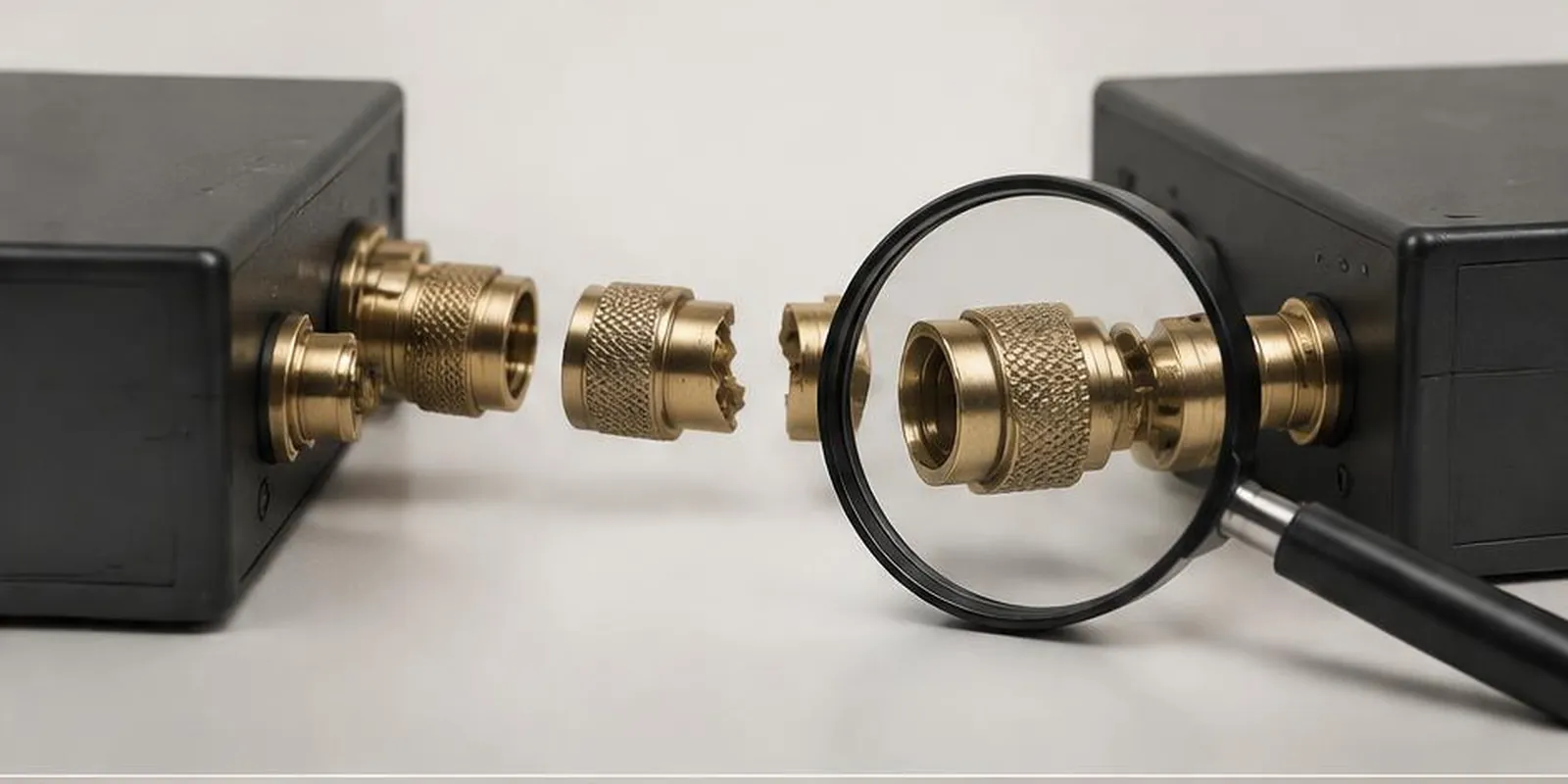
Your UI might look perfect. Your flows might test beautifully. But if your APIs fail silently, none of that matters.
API failures are the most expensive bugs in software. They're invisible to users until suddenly their data is wrong, their payment didn't process, or their account didn't save. And by the time you notice, the damage is already done.
This post explains what API testing actually catches, how to run it, and why it's the discipline most teams skip.
What API testing actually catches
Endpoints that return 200 but wrong data — The worst kind of bug. Nothing flags; everything looks fine; the data is silently corrupted.
Timeout failures under real-world load — APIs that work in dev but time out at 10x traffic.
Missing authentication on protected routes — Endpoints that should require auth but don't.
Data corruption from concurrent requests — Two requests hitting the same resource simultaneously and corrupting state.
Third-party integration failures — External APIs that break on edge inputs you didn't test.
Rate limiting issues — You hit a limit at scale that never showed up in dev.
None of these will be caught by your UI tests. All of them will reach production if you don't test the API layer directly.
Why teams skip API testing
The UI is what users see — so UI testing feels more important
API testing requires tooling most QA teams don't have
It feels abstract compared to "click this button, verify this text"
It's easy to assume the backend team already tested their code (they didn't — they tested unit logic, not integrated API behavior)
How to start API testing
Map every endpoint your app depends on. Every route, every method, every parameter.
Test each with Postman or Newman. Start with happy paths, then add edge cases.
Add edge cases: missing auth headers, expired tokens, malformed JSON, timeouts, concurrent requests, boundary values (0, negative, huge, empty).
Run in CI. Every commit should trigger the API test suite.
Report with request/response evidence.
Tooling
Postman + Newman — The fastest way to start. Postman for authoring, Newman for CI.
RestAssured (Java) or Pytest + requests (Python) — If your team writes code-level tests.
Insomnia — A lighter alternative to Postman with a cleaner UI.
k6 — For load and performance testing of APIs.
What to measure
Endpoint coverage — % of endpoints with at least one test
Edge case coverage — % of endpoints testing auth, timeouts, concurrency
Escaped API defects — API bugs found in production vs. caught pre-release
API response time — P50, P95, P99 across endpoints
The escape rate problem
If your escape rate for API bugs is high, it means your testing is UI-heavy and API-light. That's a structural problem, not a tooling problem. Fix it by adding API tests to every sprint.
Key takeaways
- API bugs are invisible until they're catastrophic
- Every endpoint needs tests for auth, timeouts, and edge cases
- Add API tests to your CI pipeline — not just manual runs
- Postman + Newman is the fastest way to start
- Track API-specific escape rate, not just overall bug count
Further reading
About the author
Senior QA Engineer →Senior QA Engineer · Quality Assurance Labs