Build with AI — From Pilot to Production Playbook
Every company has AI pilots. Few have production AI features that customers use daily. Here's how to close that gap — LLM integration, RAG, evals, guardrails, and cost control.
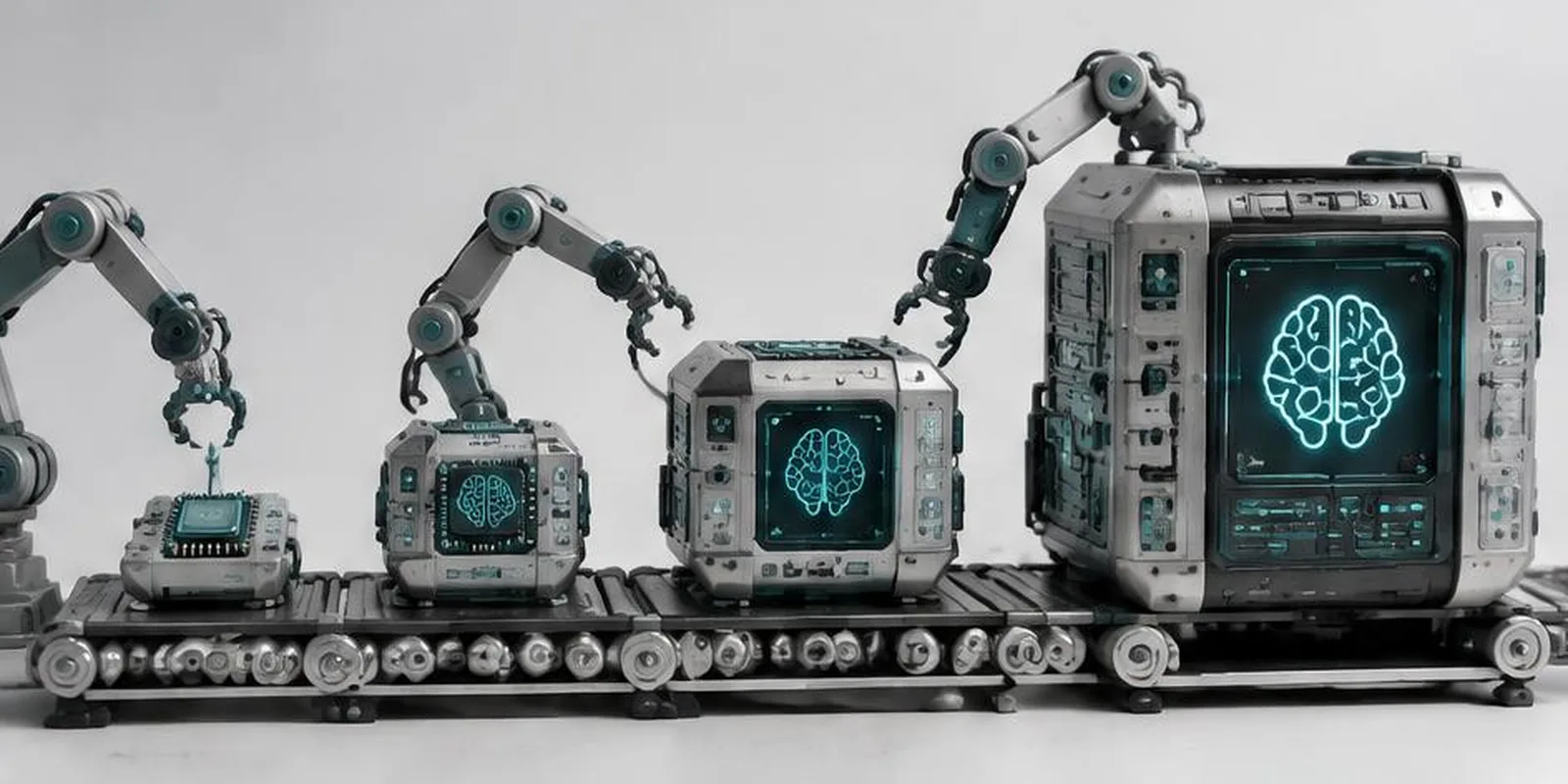
Every company has AI pilots. Few have production AI features customers actually use daily. The gap between pilot and production is enormous: reliability, latency, cost, compliance, and continuous iteration.
Here's how we help teams close that gap.
The 5-stage AI integration journey
Stage 1 — Use case selection Pick a use case with:
Clear business value
Available data
Manageable risk
Reasonable scope (6–12 weeks to launch)
Stage 2 — Architecture Design the stack:
LLM choice (GPT-4, Claude, open-source)
RAG layer (if needed)
Orchestration (LangChain, LlamaIndex, custom)
Guardrails (prompt injection, PII, output filters)
Monitoring (latency, cost, quality)
Stage 3 — Evaluation Build eval harnesses:
300–500 test cases
Rubric scoring (accuracy, tone, safety)
Automated runners
Regression tracking
Stage 4 — Production deployment
Latency targets (<2s for most use cases)
Cost per action tracking
Fallback strategies
Human handoff design
Error handling
Stage 5 — Continuous improvement
Monitor drift
Retrain or re-prompt
Add capabilities
Expand use cases
What we deliver to clients
Production-ready AI features (chatbots, assistants, agents)
Eval harnesses for continuous quality tracking
Cost engineering to protect margins
Guardrails for compliance
Handoff design for reliability
AI integration patterns
RAG — Anchors LLMs to your data
Fine-tuning — Customizes model behavior
Prompt engineering — Optimizes instructions
Agents — Multi-step autonomous tasks
Hybrid — Combining patterns as needed
Common AI integration mistakes
Shipping pilots without evals
Ignoring cost per action
No guardrails
No human handoff
Treating AI as deterministic
No drift monitoring
What "done" looks like
Feature live in production
Evals running on every change
Cost per action within budget
Human handoff working
Drift monitoring active
Roadmap for iteration
Key takeaways
- AI pilots are easy; production is hard
- Eval harnesses are non-negotiable
- Cost per action must be tracked
- Guardrails prevent prompt injection
- Human handoff is a feature, not a fallback
Further reading
About the author
Senior AI Engineer →Senior AI Engineer · Quality Assurance Labs