Security Testing with OWASP — Practical Guide for 2026
Security bugs are the most expensive to fix. A single breach can cost millions, end careers, and destroy user trust. Here's the OWASP-aligned security testing playbook we use on every client project.
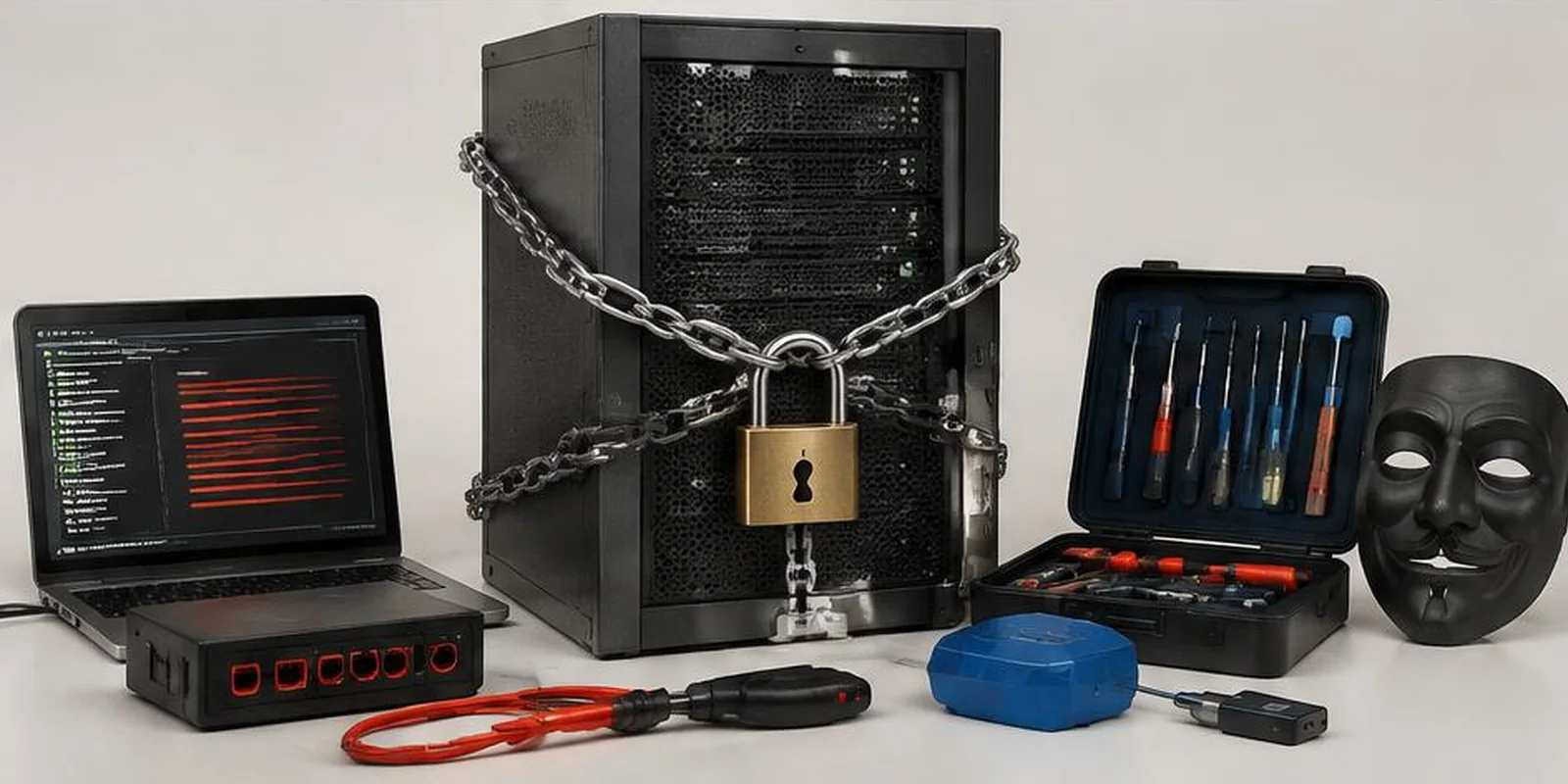
Security testing isn't optional. It's not something you "get to eventually." Every production system with users is under constant automated attack.
This post covers the OWASP-aligned security testing practices we run on client projects, and how to start if your team has never done formal security testing.
The OWASP Top 10 in 2026
Broken access control
Cryptographic failures
Injection
Insecure design
Security misconfiguration
Vulnerable components
Authentication failures
Data integrity failures
Logging failures
SSRF
Every production system should test against all 10.
Testing categories
Static analysis (SAST) — Scan source for vulnerabilities. Tools: Snyk, SonarQube, Semgrep.
Dynamic analysis (DAST) — Test running apps. Tools: OWASP ZAP, Burp Suite.
Dependency scanning — Check third-party libs for CVEs. Tools: npm audit, Snyk, Dependabot.
Manual penetration testing — Human experts attempt real attacks.
Authentication and session testing
Common vulnerabilities:
Missing rate limiting on login endpoints
Weak password reset flows
Session tokens that don't expire
Session fixation
Missing CSRF protection
Auth tokens stored in localStorage
No account lockout after failed logins
API security testing
Missing auth on endpoints
IDOR (Insecure Direct Object Reference)
Mass assignment
Rate limiting absence
Excessive data exposure
Misconfigured CORS
How to start
Run dependency scans today (fastest win)
Run OWASP ZAP against staging (free, automated)
Add SAST to CI (Snyk or Semgrep)
Do manual auth testing
Test API endpoints for auth and IDOR
Schedule annual penetration tests
What "done" looks like
No critical/high findings open
All dependencies updated or exceptions documented
Auth flows manually tested
API endpoints validated
Logging and alerting in place
Incident response plan documented
Common mistakes
Treating security as a one-time project
Only running automated scanners
Skipping auth testing
Not testing the API layer
Delaying fixes
Key takeaways
- Every production system is under attack — test first
- Cover all 10 OWASP categories
- Layer SAST, DAST, dependency scans, and manual testing
- Auth and API testing catch the most common real-world bugs
- Security testing is continuous, not one-time
Further reading
About the author
Senior QA Engineer →Senior QA Engineer · Quality Assurance Labs