Playwright vs Cypress vs Selenium — 2026 Comparison
Playwright, Cypress, and Selenium are all production-ready in 2026. The right choice depends on your stack, team size, and release cadence — not benchmarks. Here's how we decide for clients.
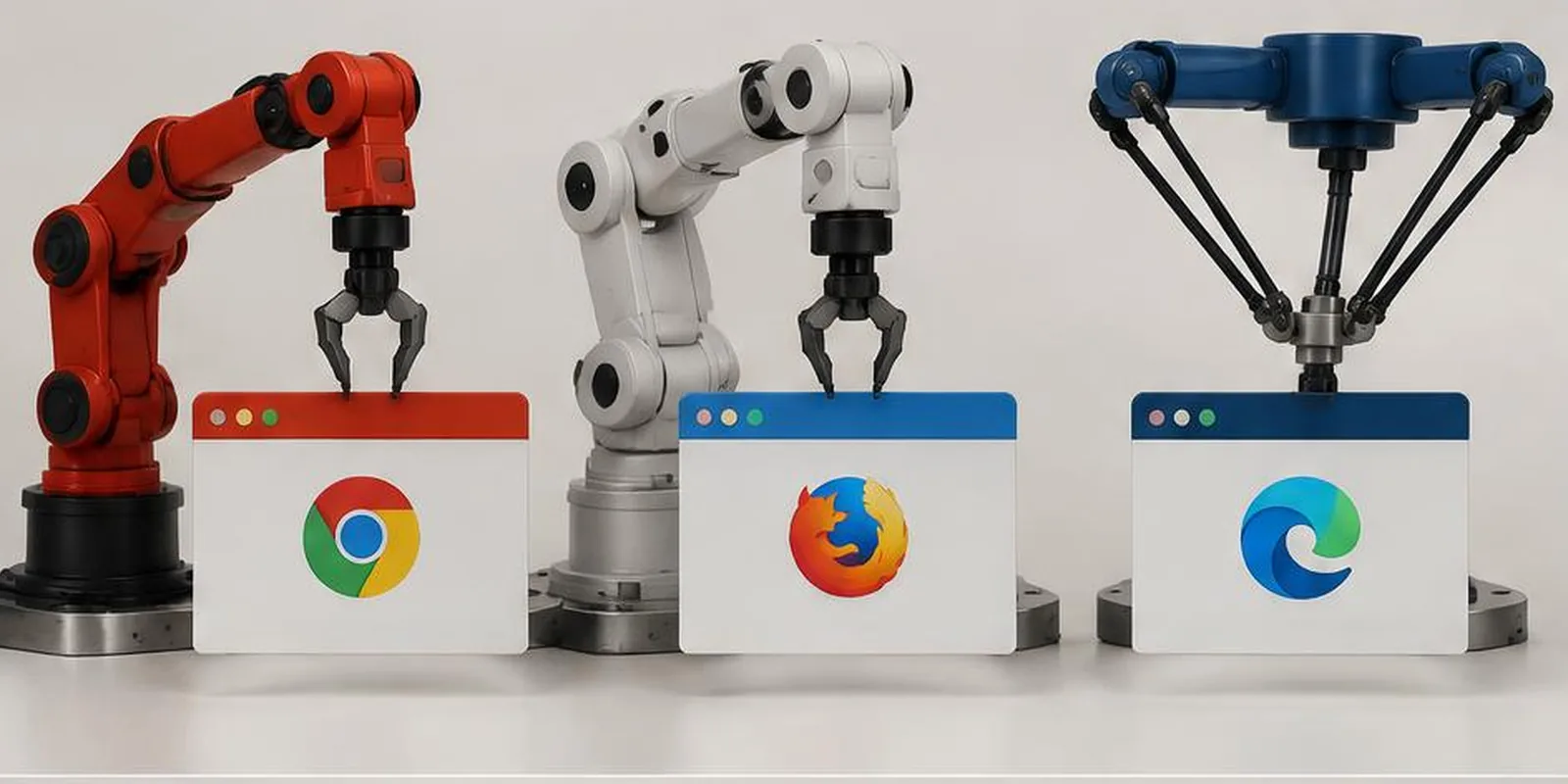
Every QA team eventually debates automation frameworks. Playwright, Cypress, Selenium — each has loud advocates. Each has been declared "the winner" by someone on LinkedIn.
After running all three in production for clients, here's the honest answer: they're all viable, and the wrong one is the one your team can't maintain.
This post breaks down each framework across the dimensions that actually matter for a production team.
Playwright
Playwright is a Microsoft-built framework released in 2020. In 2026, it's the strongest general-purpose automation framework for most teams.
Strengths: Multi-browser out of the box (Chromium, Firefox, WebKit), fast, great with modern web apps, auto-waiting, parallel test execution, native mobile viewport support
Weaknesses: Newer ecosystem, smaller community than Selenium, less mature for legacy enterprise apps
Best for: Modern web apps, teams that need cross-browser coverage, anyone building on Playwright's ecosystem
Cypress
Cypress launched in 2017 and dominated frontend testing for years. In 2026, it remains excellent for component and E2E testing on JavaScript-heavy apps.
Strengths: Excellent developer experience, live reload, great for frontend teams, easy to debug, strong documentation
Weaknesses: Browser support historically Chromium + Firefox, not ideal for multi-tab or complex auth flows
Best for: JavaScript/TypeScript teams, component testing, frontend-first products
Selenium
Selenium is the original browser automation framework. It's mature, universal, and won't disappear anytime soon.
Strengths: Broadest language support (Java, Python, C#, Ruby, JavaScript, Kotlin), oldest ecosystem, most integrations, safest for legacy enterprise
Weaknesses: Slower, more flaky without careful scaffolding, requires more boilerplate, no built-in auto-waiting
Best for: Legacy enterprise apps, teams with Java/C# stacks
How to actually decide
Instead of comparing benchmarks, ask these four questions:
What's your team's language? If JavaScript, Cypress or Playwright. If Java, Selenium or Playwright. If Python, Playwright or Selenium.
What are you testing? Modern web apps → Playwright. Frontend components → Cypress. Legacy enterprise → Selenium.
How much maintenance can you afford? Playwright and Cypress are more self-contained. Selenium requires more scaffolding.
What's your CI/CD setup? All three integrate with GitHub Actions, GitLab CI, Jenkins, and CircleCI — but Playwright's parallel execution is fastest out of the box.
What we actually recommend
For most modern teams in 2026:
Playwright as the primary automation framework
Cypress for component testing if the team is JavaScript-heavy
Selenium only when needed for legacy or specific enterprise integrations
We've migrated clients from Selenium to Playwright and cut test runtime by 60%. We've also kept Selenium where the stack demanded it. The right answer depends on context.
The wrong answer
Picking a framework because a blog post (like this one) said so
Picking a framework your team has never used
Running three frameworks at once "just in case"
Ignoring maintenance cost in the decision
Key takeaways
- Playwright is the strongest general-purpose framework in 2026
- Cypress is excellent for JavaScript frontend teams
- Selenium remains the safest bet for legacy enterprise
- The right framework is the one your team can maintain
- Migrate to Playwright when test runtime or flakiness becomes a problem
Further reading
About the author
Senior QA Engineer →Senior QA Engineer · Quality Assurance Labs