Email Marketing in 2026 — Lifecycle Automation That Works
Email still returns $36 for every $1 spent. But most email programs are underperforming — because they're batch-and-blast instead of lifecycle-driven. Here are the six flows every business needs.
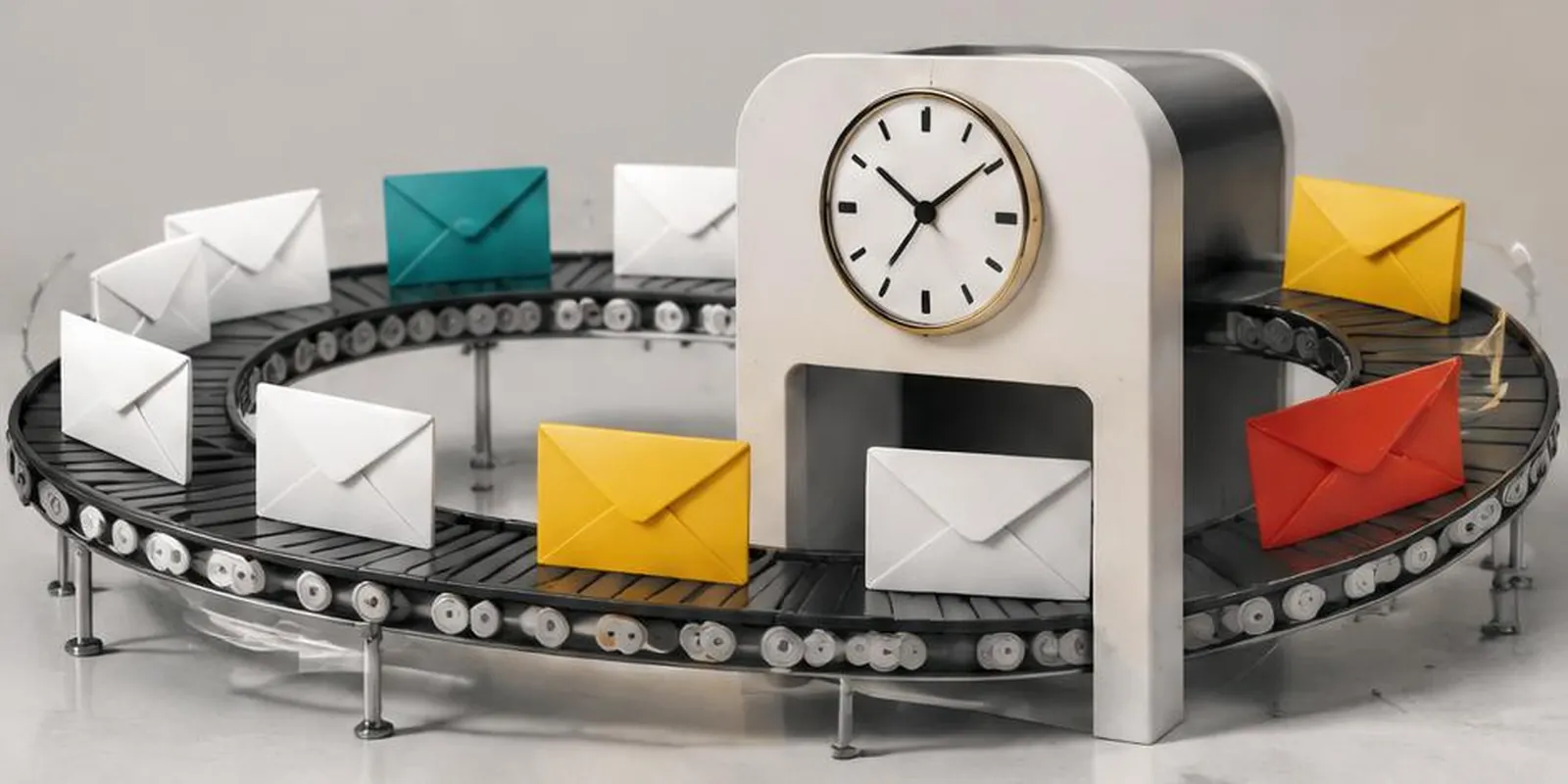
Email still returns $36 for every $1 spent. But most email programs are underperforming. The reason: they're batch-and-blast instead of lifecycle-driven.
Here are the six flows every business needs, and how to build them.
The 6 lifecycle flows
1. Welcome flow Triggers: first signup or first purchase.
Goal: Introduce the brand, set expectations, drive first action.
Emails:
Email 1 (immediate): Welcome + what to expect
Email 2 (+1 day): Brand story or best content
Email 3 (+3 days): Social proof or top product
Email 4 (+7 days): Offer or next-step CTA
2. Browse abandonment Triggers: viewed product but didn't add to cart.
Goal: Re-engage interest.
Emails:
Email 1 (+4 hours): "Still thinking about it?"
Email 2 (+24 hours): Related products or reviews
Email 3 (+72 hours): Discount or urgency
3. Cart abandonment Triggers: added to cart but didn't check out.
Goal: Recover the sale.
Emails:
Email 1 (+1 hour): Gentle reminder
Email 2 (+24 hours): Reviews or trust signals
Email 3 (+72 hours): Discount or shipping incentive
Cart abandonment recovery rate: 10–15% is achievable.
4. Post-purchase Triggers: after purchase.
Goal: Reduce buyer's remorse, drive repeat, request reviews.
Emails:
Email 1 (immediate): Thank you + order details
Email 2 (+7 days): Review request
Email 3 (+14 days): Cross-sell or accessory
Email 4 (+30 days): Loyalty program or reorder reminder
5. Re-engagement Triggers: no email engagement for 60–90 days.
Goal: Reactivate or sunset.
Emails:
Email 1: "We miss you" + value
Email 2: New features or products since they left
Email 3: Unsubscribe warning
Sunset emails that don't re-engage. List hygiene matters.
6. Loyalty / VIP Triggers: repeat purchasers or high-value customers.
Goal: Retain, reward, uplevel.
Emails:
VIP welcome (recognition)
Exclusive offers
Early access to launches
Birthday or anniversary offers
Behavior triggers vs. time triggers
Behavior-triggered emails outperform time-triggered by 3–5x.
Send when the user does something, not on a schedule
Segment by behavior, not just demographics
Personalize subject lines based on last interaction
Segmentation
Every flow should segment by:
Purchase history (new vs. repeat)
Engagement level (active vs. lapsed)
Product interest (from browsing)
Geography (for shipping/legal)
One email to everyone is a waste of the channel.
A/B testing
Test:
Subject lines (the biggest lever)
Send times (secondary)
CTAs (copy and color)
Content depth (long vs. short)
Frequency
Test one variable at a time. Measure against revenue, not opens.
Metrics that matter
Revenue per email (RPE)
Revenue per subscriber (RPS)
Conversion rate per flow
List growth rate
Unsubscribe rate
Deliverability rate
Open rate is a vanity metric in 2026. Revenue is the truth.
Tooling
Klaviyo (e-commerce standard)
Customer.io (B2B SaaS)
Mailchimp (small business)
HubSpot (marketing suite)
Braze (enterprise)
Match tool to business model. Klaviyo for D2C. HubSpot for B2B. Braze for scale.
Common mistakes
One welcome email instead of a series
No cart abandonment flow
Batch blasts that ignore behavior
No segmentation
Optimizing opens instead of revenue
Never cleaning the list
Key takeaways
- Email still has the highest ROI of any channel
- Build 6 lifecycle flows minimum
- Behavior triggers beat time triggers
- Measure revenue, not opens
- Segment by behavior, not demographics
- Clean your list — a small engaged list beats a big dead one
Further reading
About the author
Senior Marketing Strategist →Senior Marketing Strategist · Quality Assurance Labs